Payment Flow Dynamics Driving Accumulator Approaches on Regulated Platforms in Peak Sports Seasons
Lars Bauer · Sep 29, 2026

Payment Flow Dynamics Driving Accumulator Approaches on Regulated Platforms in Peak Sports Seasons
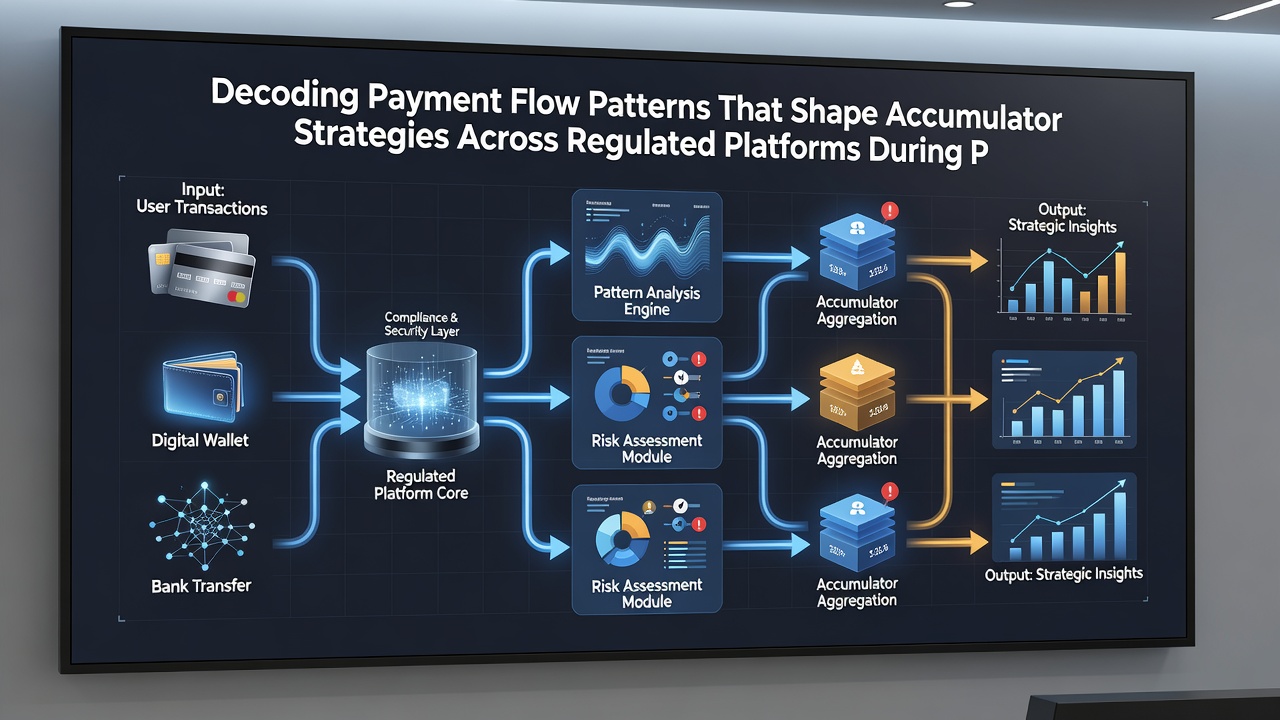
Payment systems on regulated platforms reveal distinct patterns that influence how accumulators form during high-volume periods in horse racing and football leagues, where transaction speeds, method preferences, and settlement timings align with event schedules. Data from industry reports indicate that users often cluster deposits around key fixtures, creating measurable spikes that operators track to adjust accumulator promotions and risk thresholds. These flows connect directly to seasonal calendars because bettors time their multi-leg selections with upcoming races and matches, and payment rails determine whether those selections reach the platform before odds shift.
Seasonal Timing and Transaction Clustering
Peak periods such as autumn league starts and major racing festivals produce concentrated deposit activity in the days leading up to events, with researchers noting that card and e-wallet volumes rise sharply on Thursdays and Fridays ahead of weekend fixtures. Observers note that accumulator builders frequently use instant methods to lock in early odds across several legs, whereas slower bank transfers appear more often for larger single stakes that support bigger combinations. This separation matters because platforms record higher conversion rates from deposit to accumulator when funds clear within minutes rather than hours.
Method Preferences During High-Volume Windows
Studies conducted by the European Gaming and Betting Association show that digital wallets account for a growing share of accumulator-related deposits in markets with established licensing frameworks, because those tools reduce friction between account funding and bet placement. In contrast, prepaid vouchers surface more frequently in regions where users seek spending caps before constructing multi-bet tickets. Payment data also indicate that users who combine wallet deposits with card top-ups often build longer accumulators, spreading risk across additional selections while staying within daily limits imposed by their chosen rails.
Regulated platforms monitor these method mixes to calibrate bonus structures, since accumulator bonuses tied to minimum leg counts perform differently when funded through instant versus batch-processed channels. One analysis of transaction logs from licensed operators found that e-wallet users place accumulator bets at higher average frequencies during September windows, when football leagues hit full stride and certain racing circuits host late-season cards that attract cross-sport combinations.
Settlement Speeds and Accumulator Construction
Settlement velocity shapes strategy because quicker incoming funds allow bettors to react to late team news or non-runner declarations before lines close. Platforms that support real-time wallet confirmations see elevated volumes of last-minute leg additions to existing accumulators, whereas users reliant on slower rails tend to finalize selections earlier in the week. Evidence from transaction datasets compiled by academic researchers at the University of Nevada, Reno demonstrates that these timing differences produce measurable variations in average accumulator length and payout distribution across different payment cohorts.
Operators adjust accumulator thresholds accordingly, raising minimum stake requirements on certain payment types during peak weeks to manage exposure when settlement patterns suggest heavier multi-bet activity. In September 2026, several licensed sites reported increased wallet traffic coinciding with the opening months of European football campaigns and the tail end of flat racing seasons, patterns consistent with prior years' data on deposit clustering.
Regulatory Oversight and Cross-Border Flows
Licensing authorities in multiple jurisdictions require operators to log payment flows linked to accumulator activity, partly to verify compliance with responsible gambling limits that cap daily or weekly exposure. These records reveal that cross-border users sometimes route funds through intermediary accounts to access platforms in different regulatory zones, creating traceable patterns that compliance teams flag during high-volume periods. Data released by the Australian Communications and Media Authority highlight similar seasonal spikes in accumulator-related transactions, underscoring that the phenomenon appears across markets with mature regulatory structures.
Platforms integrate these oversight requirements into their accumulator tools, offering users real-time balance checks and deposit history summaries that help maintain compliance while constructing complex bets. The resulting datasets allow operators to correlate payment method, deposit size, and accumulator outcome rates, producing insights that feed back into product design for subsequent seasons.
Conclusion
Transaction patterns on regulated platforms during peak racing and league seasons demonstrate clear connections between payment method, timing, and accumulator construction, with data from multiple sources confirming that settlement speed and method preference shape how bettors build and fund multi-leg selections. These dynamics remain consistent across different regulatory environments, providing operators and observers with repeatable signals that align with sporting calendars and influence both user behavior and platform adjustments.